Personalized Nutrition for Oncology & Cancer Care
Virtual Symposium May 15, 2026
Nutrition is not complementary care.
It is care.
Leading oncology nutrition experts tackle the evidence your patients are already citing: from therapeutic fasting to nutrigenomics, epigenetics to survivorship. Leave with protocols you can use Monday morning.
Friday, May 15 • 10AM - 5 PM Eastern
Virtual • Live + 90-day replay
9.5 CE/CME credits · AMA PRA Category 1
WHO SHOULD ATTEND
Built for clinicians who treat the whole patient
Whether you're an integrative oncologist, a CNS supporting mid-treatment patients, or a pharmacist fielding supplement questions — this symposium meets you at the level of clinical practice, not theory.

FEATURED SESSIONS
10 evidence-forward sessions. Immediately applicable.
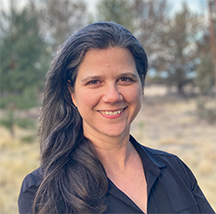
The Current Integrative Oncology Landscape: A Roadmap
Tina Kaczor, ND, FABNO
A sweeping look at where integrative oncology stands today, where the evidence is heading, and what it means for clinical nutrition practice.

Nutrition as Targeted Cancer Therapy - The Emerging Role of Nutrigenomics in Cancer Care
Michael Robinson, ND, MS, CNS, LND, ONC
An exploration how of personalized medical nutrition therapy can be used as a targeted strategy in modern cancer care

Therapeutic Fasting in Oncology: Types, Tumor-Specific Effects, and Clinical Cautions
Paula Weinberg, JD, CNS, LDN, ONC
A rigorous look at fasting protocols across tumor types — what the science supports, where caution is warranted, and how to counsel patients.
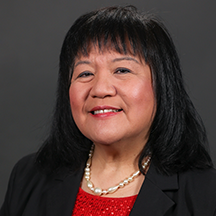
Gut Microbiota, Nutrition, and Drug Response in Hepatocellular Carcinoma: Targeting the Gut–Liver Axis for Improved Therapeutic Outcomes
Lunawati L. Bennett, MS, PhD, PharmD, FACN, CNS
A comprehensive, evidence-informed framework for addressing the full spectrum of treatment-related nutrition challenges.

Feeding the Gut-Breast Axis: How Diet and the Microbiome Shape Breast Cancer
Kathleen Comerford, MS, CNS, LDN
Explore connections between the gut microbiome and breast cancer risk, treatment outcomes, and survivorship, with a focus on nutritional strategies to modulate the microbiome for clinical benefit.
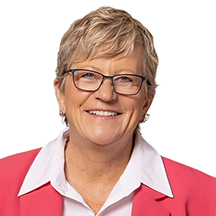
Top Oncology Botanicals
Lise Alschuler, ND, MBA, FABNO
Highlights of the top botanicals that have an indispensable place in integrative oncology.
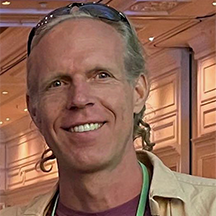
The Influence of Bioactive Substances on Cancer Epigenetics
Jan Kielmann, DCN, MS, CNS, IFMCP, RHGt, CPTR
How bioactive food compounds affect cancer epigenetics, and why nutritionists may hold unique power to support treatment outcomes at the cellular level.

The Effects of Nutrient Timing on Cancer-Related Fatigue
Carin Clingan, MS, CNS, LDN
New perspectives on how when patients eat may be as important as what they eat in managing one of oncology's most debilitating symptoms.

Emotional Barriers to Healing: How Psychological Distress Influences Cancer Treatment Outcomes
Jorge Luis Morales, ND, CNS, LDN
Why the psychological and behavioral dimensions of cancer care are inseparable from nutrition outcomes — and how to address them clinically.
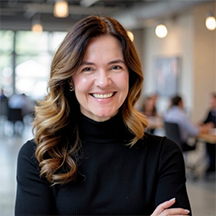
Integrating Food-as-Medicine into Oncology Clinical Trials: Methodological and Implementation Challenges
Shari M. Youngblood, DCN, CNS, LDN
An honest look at the methodological hurdles of embedding food-as-medicine into formal research — and how the field can move forward.
LEARNING OBJECTIVES
What you'll be able to do after
Describe nutrition and dietary strategies across the full cancer care continuum
Apply nutrition and lifestyle strategies to support symptom management and survivorship
Incorporate appropriate nutrition recommendations into supportive cancer care protocols
Evaluate evidence on supplements and integrative oncology interventions
Counsel oncology patients using evidence-informed nutrition strategies
Discuss supplement and integrative oncology research with clinical confidence
PRICING & REGISTRATION
One day. Evidence that changes how you practice.
Your CE/CME certificate is issued after completing the post-event survey. Transfer your registration to a colleague at no cost with 48 hours notice.
ANA Member / Student rate
$192
Regular registration
$275
Questions? education@theana.org
Can't attend live? All sessions are recorded.
Register once and access the full replay library for 90 days — CE/CME still applies.
FREQUENTLY ASKED
Questions?
What CE/CME credits will I earn?
9.5 credits total. BCNS℠ approved for CNS® continuing education. ACCME-accredited for AMA PRA Category 1 Credits™ for physicians. NPs, PAs, PharmDs and other clinicians should verify acceptance with their respective boards.
What if I can't attend live?
All sessions are recorded and available for 90 days. You may still claim CE/CME credits by completing the post-event survey.
Can I transfer my registration?
Yes — at no cost, with at least 48 hours notice before the event. Email education@theana.org.
Do I need to be an ANA member to register?
No. Open to all clinicians and healthcare advocates. ANA members and students receive the $195 rate.
What's your Cancellation Policy?
If you are unable to attend, you may transfer your registration to another individual at no cost by notifying us at least 48 hours before the event. Questions - education@theana.org.
Will I get CE/CME?
This activity is approved by the Board for Certification of Nutrition Specialists℠ (BCNS℠) to provide Continuing Education (CE) credits for Certified Nutrition Specialists® (CNS®) for a maximum of 9.5 CE Credits.
The American Nutrition Association is accredited by the Accreditation Council for Continuing Medical Education (ACCME) to provide continuing medical education for physicians.
The American Nutrition Association designates this live activity for a maximum of 9.5 AMA PRA Category 1 Credit(s)™. Physicians should only claim credit commensurate with the extent of their participation in the activity.
CME/CE Certificate
To obtain our CME/CE certificate from the Symposium, you must complete the survey below after the event.
Faculty Disclosure
In accordance with the ACCME Standards for Integrity and Independence in Accredited Continuing Education, planning committees, moderators, faculty, and all others in control of the educational content of the continuing education activity must disclose all financial relationships with ineligible companies that they may have had within the past 24 months. If an individual refuses to disclose financial relationships, they will be disqualified from being a part of the planning and implementation of the activity. Owners and/or employees of an ineligible company with business lines or products relating to the content of the activity will not be permitted to participate in the planning or execution of any accredited program. All listed relevant financial relationships with ineligible companies for individuals in control of content have been mitigated.
Resolution of Conflicts of Interest (COI)
The American Nutrition Association is required by ACCME to identify, evaluate, and mitigate all potential conflicts of interest. The American Nutrition Association has identified and mitigated all COI prior to the start of this activity using a multi-step process, including independent peer review of all presentations.
© American Nutrition Association 2026